Can UPI Apps Charge a Platform Fee?
Published: 8 October 2026
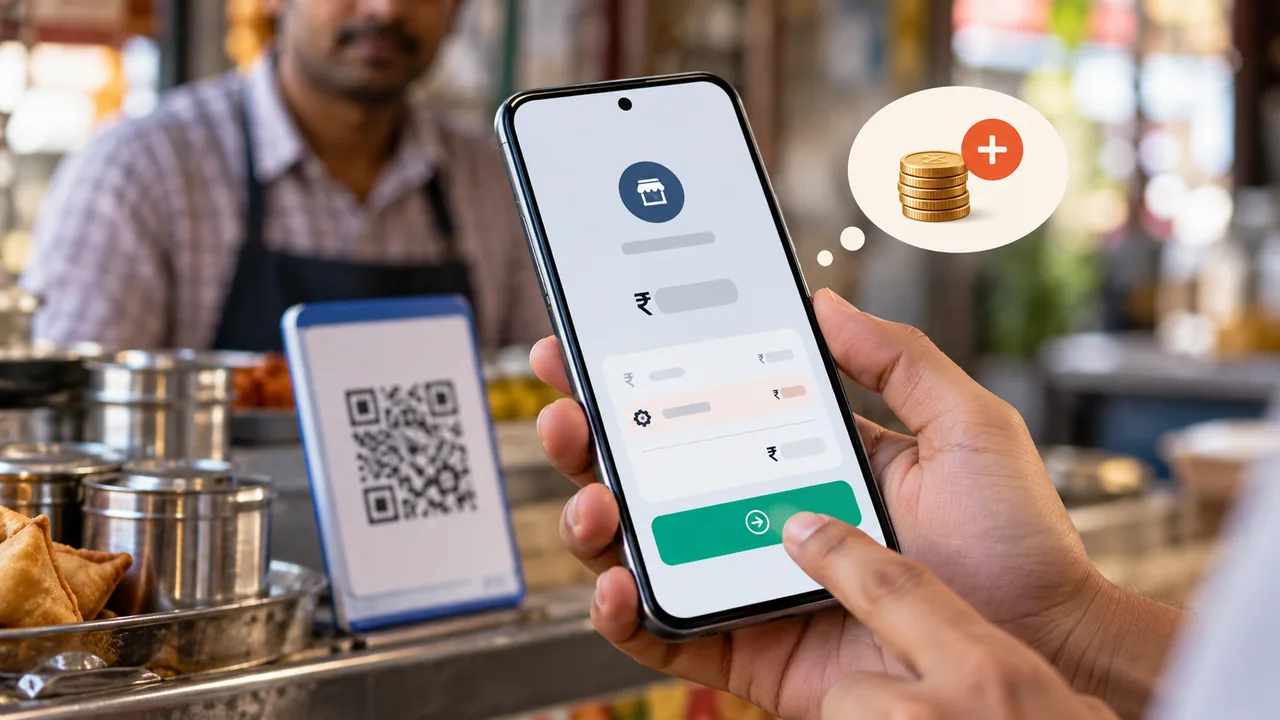
Searches such as “MDR in GPay,” “PhonePe UPI charges” and “UPI platform fee” often mix together several different concepts. A merchant-side MDR is not the same thing as an app charging the customer a fee to make a UPI payment.
Under the 2026 framework, UPI application providers are not permitted to impose a platform fee or hidden charge for the UPI payment itself.
MDR and a UPI App Platform Fee Are Different Things
MDR applies on the merchant side when a covered merchant transaction falls within the framework. A platform fee, by contrast, would be a separate amount charged by the app to the user for making the payment.
The government’s September 2026 clarification expressly says UPI application providers are prohibited from imposing platform fees or hidden charges. The Department of Financial Services FAQs also state that app providers shall not charge a platform fee or any other charge for a UPI payment.
Does This Mean Google Pay, PhonePe or Other UPI Apps Can Never Charge Anything?
The rule discussed here concerns a UPI payment. Financial apps can offer many different products and services, and those products can have their own terms. It would be too broad to claim that every service inside a multipurpose payments app must always be free.
The important distinction is whether the fee is being imposed for the act of making the UPI payment itself. The official framework protects the consumer from such a UPI payment charge.
What Happens When the Merchant Pays MDR?
A customer may complete a ₹10,000 UPI payment to a regular merchant without seeing any extra UPI fee in the app, while the merchant-side transaction falls under the 0.4% MDR rule. Those two facts are consistent because MDR and a consumer platform fee are not the same charge.
For an explanation of who bears the merchant charge, see Who Pays UPI MDR Charges: Merchant or Customer?.
Can a Merchant Call Its Surcharge a “Platform Fee”?
Changing the label does not change the underlying issue. If a merchant adds an extra amount to the bill only because the customer is paying through UPI, the charge is still a customer-facing UPI add-on rather than the merchant quietly absorbing the MDR as intended by the framework.
The government’s clarification says banks have been advised to ensure that merchants do not pass MDR charges on to customers.
What About Monthly Free Limits?
The framework does not create a model in which the first few UPI transactions are free and later transactions attract app fees. Consumers have no monthly quotas, volume restrictions or tiered caps on free UPI transactions under the official clarification.
Daily security limits are separate. They determine whether a payment can be processed, not whether the app can start charging after a user crosses a free quota. See Are There Monthly Limits on Free UPI Transactions?.
Why This Matters for “MDR in GPay” Searches
Someone searching “What is MDR in GPay?” may assume the app itself is charging MDR. That is not the correct way to describe the 2026 rule. MDR is connected with eligible merchant transactions; it is not a consumer fee collected by the UPI app simply because the payer uses that app.
The app is part of the payment flow, but the framework keeps the customer-facing UPI payment free.
What a User Should Look for on the Payment Screen
If a user sees an extra amount before confirming a UPI payment, the label matters. A separate UPI platform fee, processing fee or hidden payment charge imposed by the app would conflict with the consumer-facing rule described in the official clarification.
By contrast, the app may display the price of a separate non-UPI product or service offered inside the same application. That should not be confused with a fee for making the UPI payment itself. The payment screen and the description of the charge are therefore important.
Why “Free UPI” and “Merchant MDR” Can Coexist
There is no contradiction between saying UPI remains free for consumers and saying MDR applies to some merchant payments. The two statements refer to different sides of the transaction.
The customer can make a payment without an app fee, while the merchant-side transaction is processed under an MDR rule. Keeping those sides separate is essential when reading headlines about new UPI charges.
Bottom Line
UPI app providers cannot use the 2026 MDR framework as permission to add a platform fee or hidden charge to a UPI payment. Merchant MDR and consumer app fees are different concepts. For covered payments, MDR may exist on the merchant side while the customer continues to make the UPI payment without an app-level transaction fee.